
—
—
 Your plan. Your body. Your best self.
Step 1 of 2
The formulas are the same for everyone. What changes is your starting point: pick one and the diagnosis arrives with the basics already filled in.
There’s no age to stop training. What changes with the years is how: at 45 the plan lengthens the warm-up, adds more room before failure, and slows the pace of progression; at 50 the whole programming changes; at 65 it gets more conservative with loads. You can change profile whenever you want.
Already have an account?
Step 2 of 2
It’s the only thing we ask for. With it your plan is waiting every time you come back, you get tracking at every stage, and you can go PRO whenever you want.
Last step
Te hemos enviado seis dígitos a your email. Escríbelos aquí y entras. Caducan en 15 minutos.
It’s eight questions and two minutes. Your answers save to your account, so your plan is waiting for you on any device.
Log what you lifted
—
—
—
YouPlanFit PRO
9,90 US$ / mes Cancel anytime, from the first month.

Your plan. Your body. Your best self.
You measure six things. YouPlanFit reads your bone structure, your body composition and your metabolism, and hands you back the routine, the calories and the macros that suit your body. At the gym or in your living room.
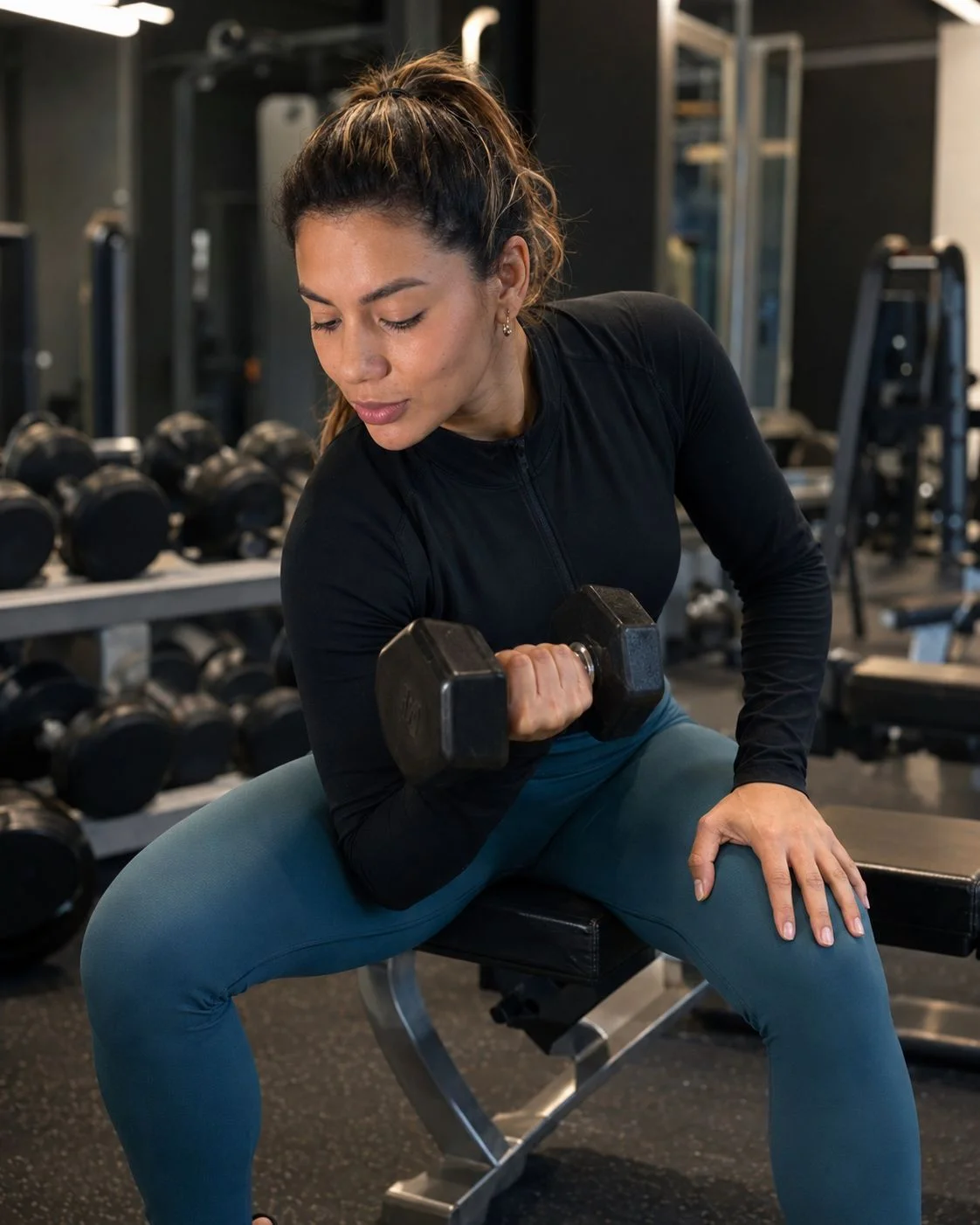
Nine steps, two minutes. Your plan saves to your account and opens from any device.
Every strength session with its loads, whether it comes from your watch or the app. Strength training only: runs and walks stay on your watch, which is where they’re best seen.
Log your numbers once a week, always the same day and fasted. The trend matters far more than any single reading.
The exercises your plan can program, with the technique cue that avoids the most common injury in each one. Filter by muscle group and by where you train.

Six measurements and you get a routine, calories, and macros. No card needed to start.
Create my planWhat you already use stays yours, free. PRO adds what turns a good plan into three months of structured work.
9,90US$ / mes
Cancel anytime, from the first month.
We’re still finishing the program. In the meantime, your free plan stays complete.
No. Your bone structure is fixed, but your body composition changes with training and nutrition. Your body type is a starting point: it tells you where you begin and which strategy works fastest for you, not how far you can go. Almost everyone is a mix of two types.
Strength and energy: 2–3 weeks. Visible changes in the mirror: 6–8 weeks. Changes other people notice: 10–12 weeks. A healthy pace of fat loss is 0.5–1% of body weight per week; for muscle gain, 0.5–1 lb a month for beginners, and noticeably less after that.
There’s no age limit. Strength training is recommended at 30, at 60, and at 85, and the older you are, the more each session pays off, because what’s at stake stops being looks and becomes independence. What changes with age isn’t whether you train, but how: at 45 the plan lengthens the warm-up, leaves more room before failure, and eases off the progression; at 50 the whole programming changes —lower-joint-stress exercises, light power work, balance, and mobility—; at 65 it gets more conservative with loads. In women, perimenopause brings some of these changes forward, so from 45 the plan already adds bone-loading impact work.
Yes. Pick “Beginner” level and 3 days: the plan starts with full body, moderate loads, and a focus on technique. If you’re over 40, have prior injuries, or a medical condition, check with your doctor before you start.
They’re not required. Well-planned food covers almost everything. The only ones with solid backing and a good cost-to-benefit ratio are protein powder (convenience, not magic), creatine monohydrate (3–5 g/day), and vitamin D if you’re deficient.
Wait two weeks before changing anything: water retention and your hormonal cycle mask the trend. If after 14 days your weight and waist haven’t moved, cut 150–200 daily calories or add 2,000 daily steps. Don’t do both at once, or you won’t know which one worked.